
Physiology Medical animation
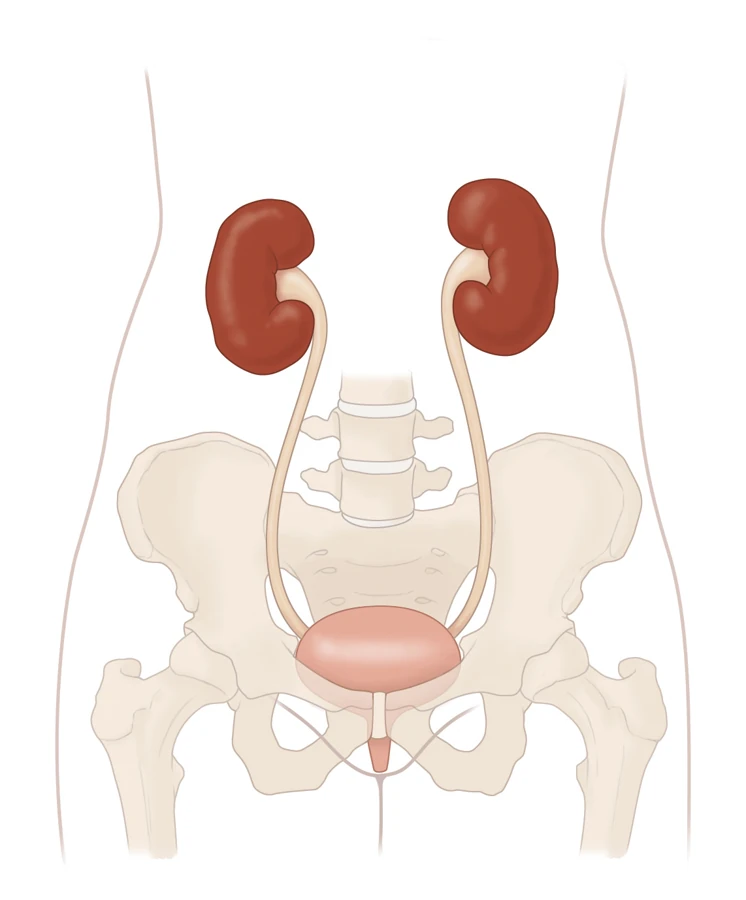
The journey of urine
Kidneys make urine; the bladder stores it before release through the urethra.
Explore the guidePhysiology
Explore kidney, bladder and female and male reproductive function through illustrations and medical animations.
Physiology
Select an organ to discover its role.
Make urine from blood through filtration and tubular adjustments.
Carry urine from the kidneys to the bladder through contractions.
Stores urine, then contracts in coordination with the sphincters.
Carries urine from the bladder outside the body; it is distinct from the ureters.
Anatomical diagram of the urinary tract.
12 guides shown
Kidneys make urine; the bladder stores it before release through the urethra.
Explore the guide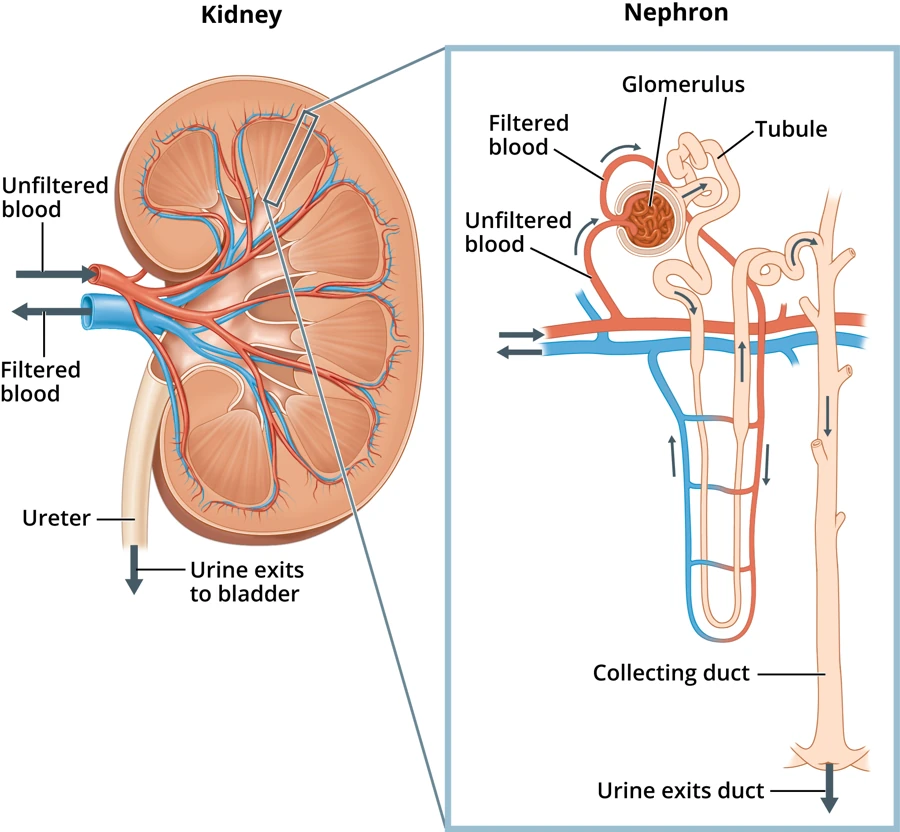
The nephron is the kidney’s working unit, combining a filter and a tubule.
Explore the guide
Kidneys adjust water and salt excretion to the body’s needs.
Explore the guideBeyond making urine, the kidney participates in hormonal regulation.
Explore the guide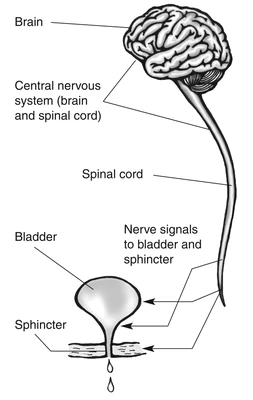
Storage and emptying depend on coordination between bladder, sphincters and nervous system.
Explore the guide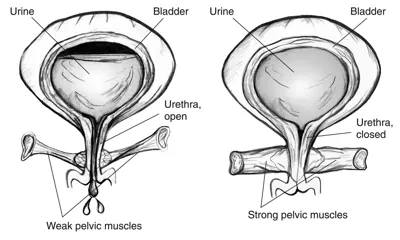
Pelvic muscles and tissues support the pelvic organs in women and men.
Explore the guide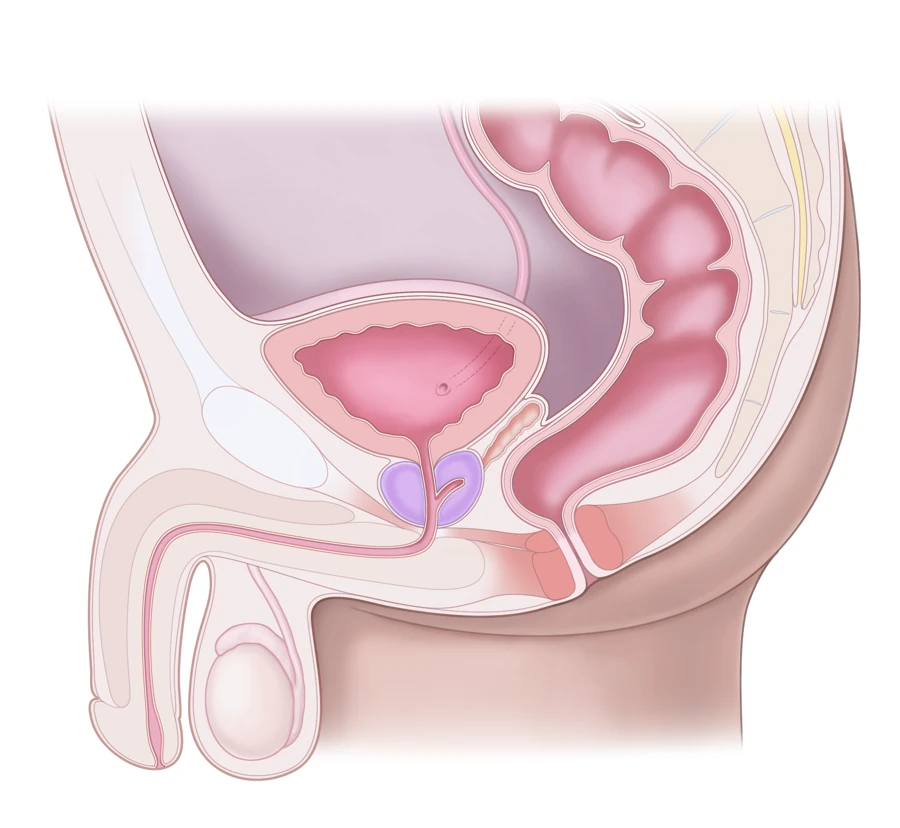
Testicles produce sperm under hormonal control.
Explore the guide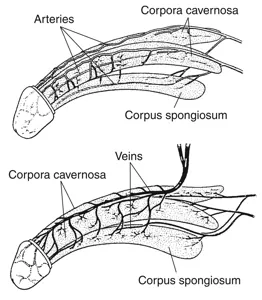
These events are related but distinct: an erection does not necessarily imply orgasm or ejaculation.
Explore the guide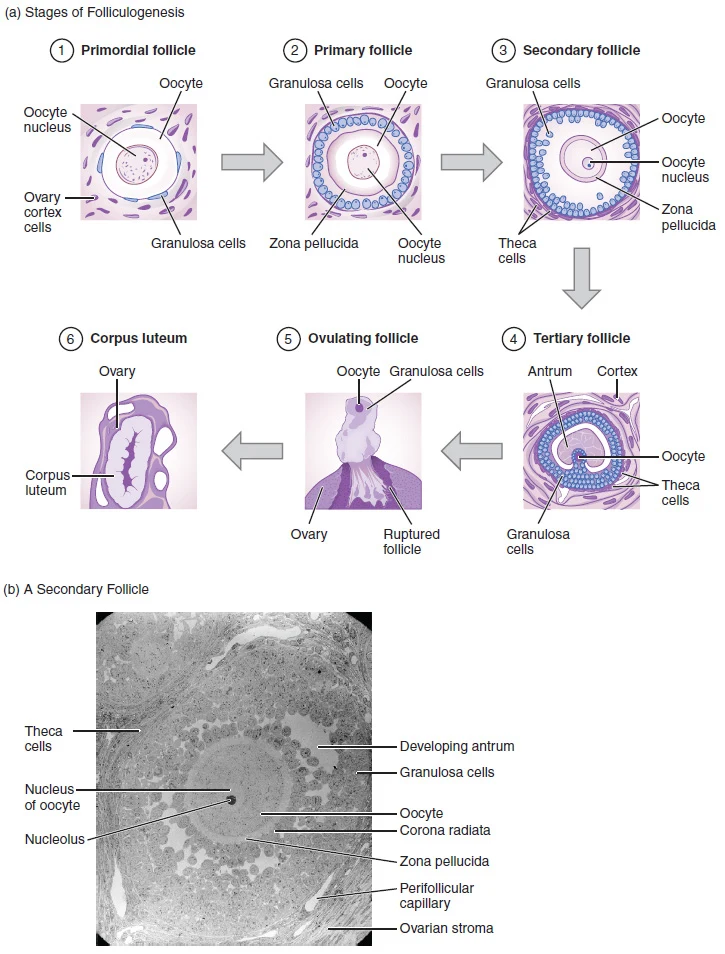
Ovaries and uterus respond to hormonal signals; cycle length varies.
Explore the guide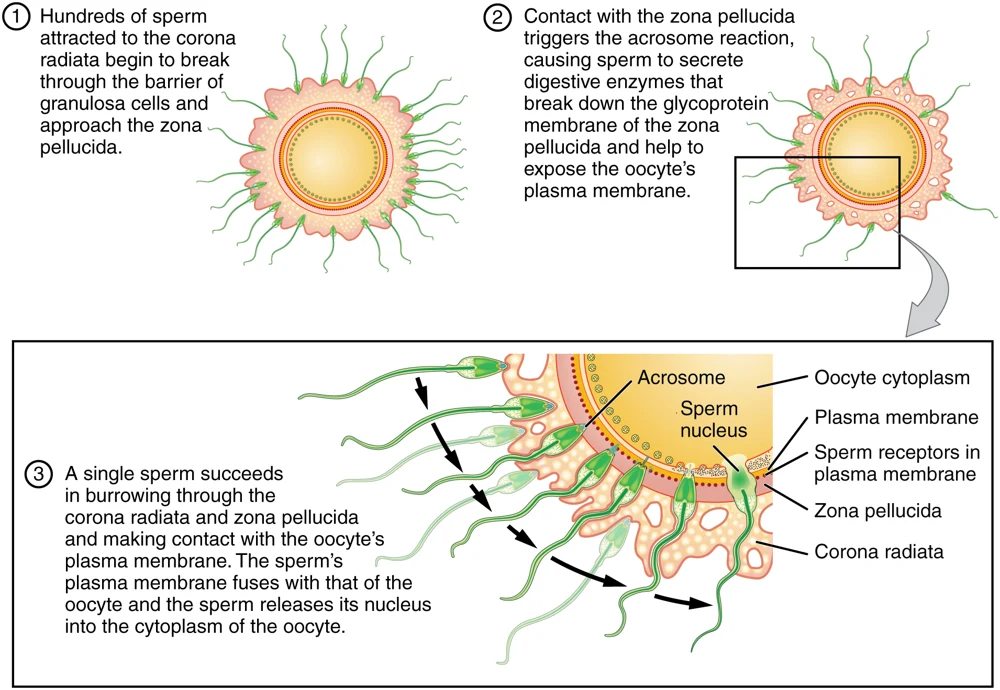
Meeting of sperm and egg is one step, not a guarantee of an ongoing pregnancy.
Explore the guide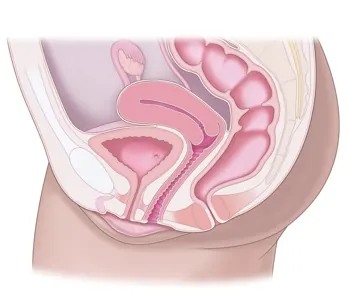
Sexual response involves the brain, sensation, blood flow and relationship context.
Explore the guide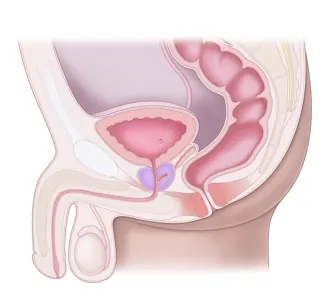
Hormones influence genital tissues, reproduction and aspects of sexuality.
Explore the guideNo matching topic. Try another word.
This general information does not replace a consultation. Tests and treatments are selected for each individual; they are not a routine checklist.