
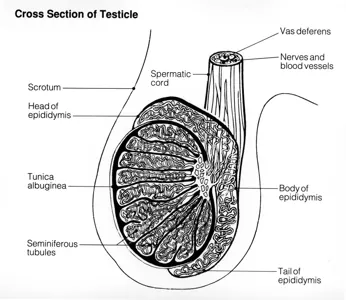
Testicular torsion
Twisting of the spermatic cord can interrupt blood supply to a testicle. This is a surgical emergency.
Read the guideEncyclopedia
Clear information about conditions, examinations and treatment options. Explore urology, andrology, sexual health and nephrology guides by topic.
Recognise an emergency110 health guides
No results. Try another term or select all sections.
Twisting of the spermatic cord can interrupt blood supply to a testicle. This is a surgical emergency.
Read the guide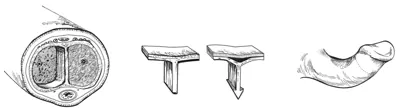
A traumatic tear in the covering of an erectile body, usually during an erection.
Read the guide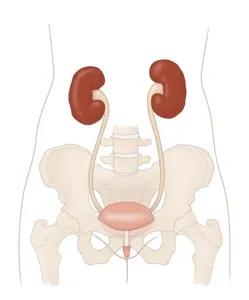
Failure to empty the bladder properly. Acute retention is sudden and often painful.
Read the guideAn infection of the kidney, often spreading upwards from the lower urinary tract.
Read the guide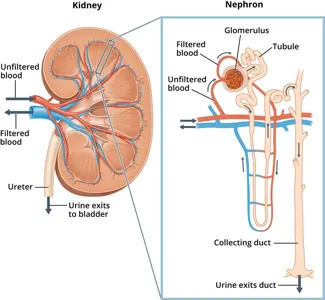
A rapid loss of kidney function caused by dehydration, severe infection, medicines or urinary blockage.
Read the guide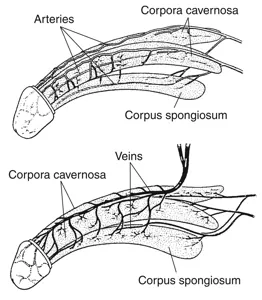
A prolonged erection unrelated to desire; the ischemic form threatens penile tissue.
Read the guide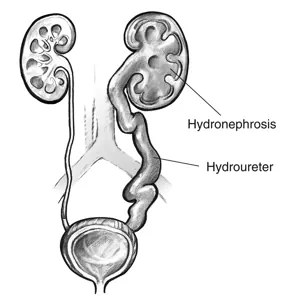
Infection above a blockage, often a stone, can rapidly become life-threatening.
Read the guideA severe response to urinary infection causing organ dysfunction.
Read the guide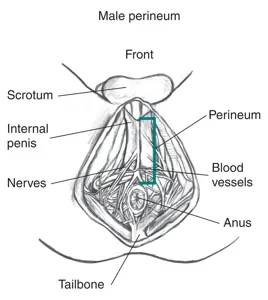
A necrotising genital or perineal infection that can progress within hours.
Read the guide
A retracted foreskin becomes trapped behind the glans, forming a tight ring.
Read the guideBlood clots can prevent the bladder from emptying.
Read the guideInjury after accidents, falls, blows or penetrating wounds to the pelvis and urinary tract.
Read the guide
HIV affects immune defences.
Read the guide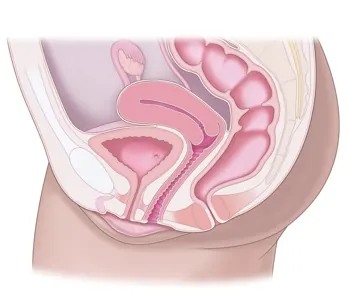
Suspected infection in pregnancy needs prompt medical assessment.
Read the guide
Non-cancerous prostate growth that may obstruct urine flow. Prostate size does not always match symptom severity.
Read the guideScar-related narrowing of the tube carrying urine out of the bladder.
Read the guide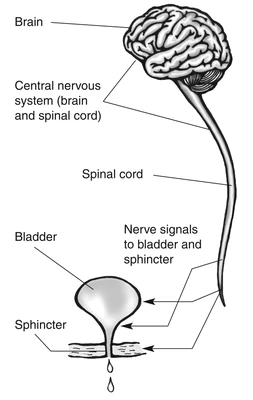
Urgency that is difficult to postpone, with or without leakage, after considering other causes.
Read the guideRed blood cells visible or found by testing; causes include infection, kidney disease and tumours.
Read the guidePersistent bladder-region pain with urinary symptoms after other causes are excluded.
Read the guideWaking from sleep to pass urine due to bladder, urine-production or sleep factors.
Read the guideDilation of the kidney collecting system, often obstructive but not always.
Read the guideA record helps explain urinary patterns.
Read the guide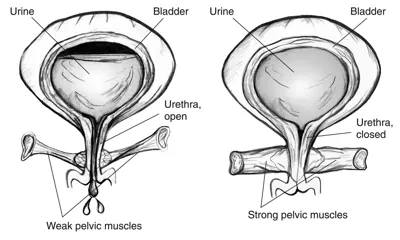
Leakage after prostate surgery deserves assessment and support. Recovery and its effect on daily life vary between patients.
Read the guideUrine leakage caused by increased abdominal pressure, without a preceding urgent need to void.
Read the guide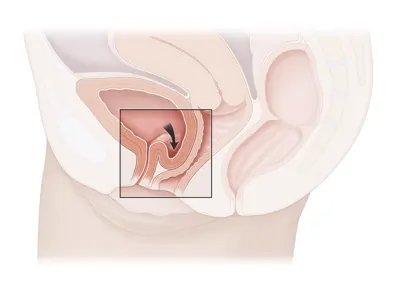
Descent of one or more pelvic organs towards the vagina. A cystocele involves bladder support.
Read the guideA malignant prostate tumour whose behaviour depends on its aggressiveness and extent.
Read the guideA tumour of the bladder lining, commonly urothelial. Muscle involvement changes management.
Read the guideA renal mass may be benign or malignant. Appearance, size and clinical context guide assessment.
Read the guideA testicular lesion needs prompt assessment to distinguish a tumour from cysts or other causes.
Read the guideA rare penile tumour, often arising on the glans or foreskin.
Read the guideTumours of the renal pelvis or ureter lining, distinct from kidney tissue cancer.
Read the guideFor selected less aggressive localised cancers, organised monitoring can defer treatment while retaining the option to intervene if disease changes.
Read the guide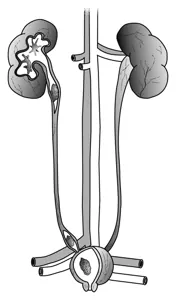
Crystalline deposits, often formed in a kidney, that may move into the ureter.
Read the guidePain caused by acute upper urinary obstruction, often from a ureteric stone.
Read the guideStones in the bladder, often promoted by poor emptying or a foreign body.
Read the guideUsually a bacterial infection of the bladder, although burning can have non-infectious causes.
Read the guideAn infection of the kidney, often spreading upwards from the lower urinary tract.
Read the guidePain or inflammation involving the prostate region. Some forms are bacterial; chronic pelvic pain is not necessarily an infection.
Read the guideInfections transmitted through sexual contact, sometimes without symptoms.
Read the guideInflammation of the epididymis, sometimes the testis, often due to infection.
Read the guideInflammation of the glans, sometimes the foreskin; infection is not the only cause.
Read the guideUrethral inflammation, often related to a sexually transmitted infection.
Read the guideA frequently silent bacterial STI that may affect reproductive organs and fertility.
Read the guideA bacterial STI affecting genitals, rectum, throat or eyes.
Read the guideA viral infection with possible recurrent outbreaks; transmission can occur without visible lesions.
Read the guideWarts caused by selected papillomaviruses; usual wart types differ from the main cancer-associated types.
Read the guideA bacterial STI with multiple stages, sometimes silent for years.
Read the guideRepeated bladder infections, commonly defined as two in six months or three in a year.
Read the guide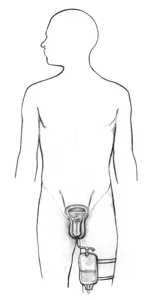
Catheters promote bacteria in urine, which does not always mean an infection needing treatment.
Read the guideHIV affects immune defences.
Read the guide
Sexually transmitted infections can go unnoticed.
Read the guideSuspected infection in pregnancy needs prompt medical assessment.
Read the guideDifficulty conceiving with a possible male contribution. Azoospermia means no sperm are found in the analysed ejaculate.
Read the guideEnlargement of veins around a testicle, more commonly on the left.
Read the guideConfirmed hormonal deficiency with compatible symptoms; fatigue alone is insufficient.
Read the guideAbsence of sperm in the ejaculate, requiring laboratory confirmation.
Read the guideChanges in sperm concentration, movement or shape.
Read the guideSemen passes into the bladder instead of outwards, sometimes after surgery or nerve injury.
Read the guideSome cancer treatments can affect sperm production or ejaculation. Discuss fertility before treatment, even when parenthood is a distant possibility.
Read the guideA hydrocele is fluid around a testicle; an epididymal cyst arises in the epididymis.
Read the guideA foreskin that is difficult or impossible to retract. Non-retractability may be normal in young children.
Read the guide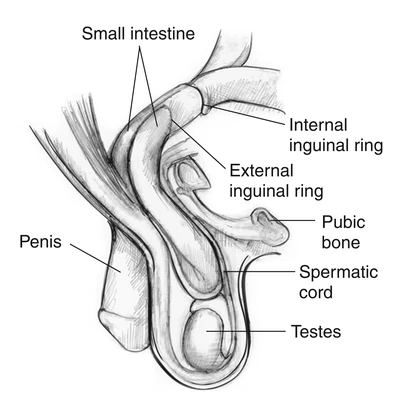
Abdominal tissue protrudes through a weak area in the groin, sometimes extending into the scrotum.
Read the guideTwisting of the spermatic cord can interrupt blood supply to a testicle. This is a surgical emergency.
Read the guideA traumatic tear in the covering of an erectile body, usually during an erection.
Read the guideAn inflammatory skin disease affecting vulva or penis; it is not an STI.
Read the guideRepeated difficulty obtaining or keeping an erection adequate for satisfactory sexual activity.
Read the guideThese include distressing early ejaculation with poor control, marked delay or absent ejaculation.
Read the guidePersistent low desire warrants support when it causes distress. Desire naturally varies and is not always a disorder.
Read the guide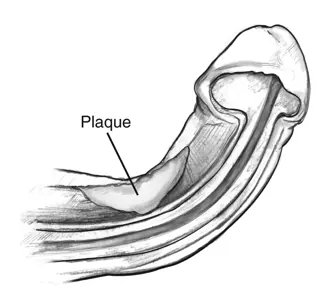
Acquired scarring of the covering of the erectile bodies can change the shape of an erect penis.
Read the guidePain with sexual activity or involuntary tightening that makes penetration difficult. Physical and emotional factors may coexist.
Read the guideEjaculation experienced as too early, with limited control and personal or relationship distress.
Read the guidePersistent difficulty ejaculating despite subjectively adequate stimulation.
Read the guideInvoluntary pelvic-floor tightening makes penetration difficult or painful.
Read the guidePersistent vulval pain without a clear identifiable cause after assessment, often lasting at least three months.
Read the guideHormonal decline can change vulvovaginal and urinary tissues; dryness also has other causes.
Read the guideCancer and its treatment can affect desire, erection, ejaculation and body image.
Read the guidePersistent pelvic pain, often multifactorial without proven bacterial infection.
Read the guideSemen may look red or brown.
Read the guideDisrupted urine storage or emptying caused by a nervous-system condition.
Read the guideFailure to empty the bladder properly. Acute retention is sudden and often painful.
Read the guideKidney damage or reduced filtration lasting at least three months; progression may be painless.
Read the guideDiabetes can progressively damage small blood vessels and kidney filters.
Read the guideHigh blood pressure can damage kidneys, while kidney disease can raise blood pressure.
Read the guideInflammation of microscopic kidney filters, sometimes related to infection or immune disease.
Read the guideImmunoglobulin A deposits in kidney filters can cause inflammation.
Read the guideHeavy urinary protein loss causes low blood albumin.
Read the guideInflammatory kidney involvement in lupus, an autoimmune disease.
Read the guide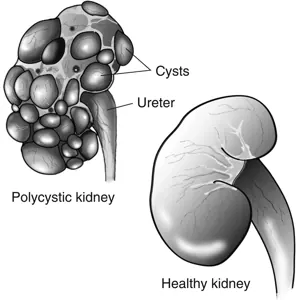
A genetic disorder with multiple kidney cysts, distinct from an isolated simple cyst.
Read the guide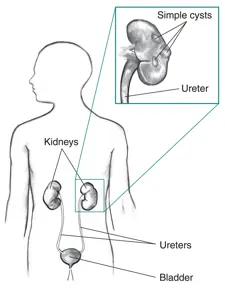
A cyst is a fluid-filled pocket. Simple cysts are usually benign; complex lesions need characterisation.
Read the guideOne kidney can provide adequate function after congenital absence, donation or surgery.
Read the guide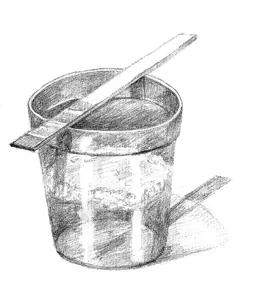
Excess urine protein, particularly albumin, is a marker rather than a diagnosis by itself.
Read the guideKidney disease can reduce erythropoietin, the hormone supporting red-cell production; other causes may coexist.
Read the guideKidney disease can disturb phosphate, calcium, vitamin D and parathyroid hormone regulation.
Read the guideNarrowing of an artery supplying a kidney, commonly from atherosclerosis or fibromuscular dysplasia.
Read the guide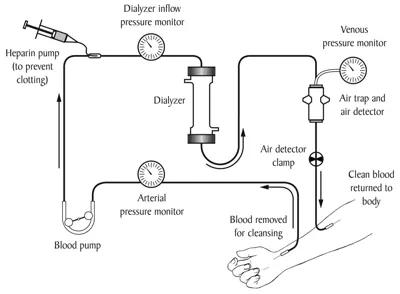
When kidney function becomes insufficient, replacement therapy or individual conservative care may be discussed.
Read the guide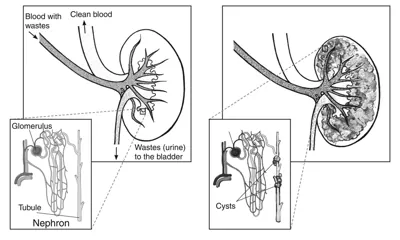
Dilation of small collecting ducts in the kidney medulla may promote stones and infection.
Read the guideAbnormal protein deposits in the kidneys, sometimes affecting several organs.
Read the guideKidney tubules fail to maintain acid-base balance, sometimes with potassium abnormalities.
Read the guideBladder or kidney infection with age-dependent signs.
Read the guide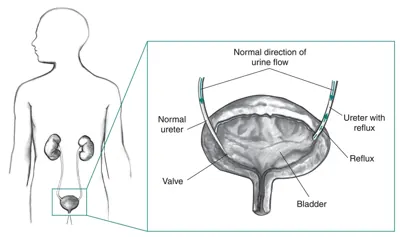
Urine flows backwards from the bladder into one or both ureters, sometimes reaching the kidneys.
Read the guideUrine leakage during sleep beyond the expected age of night-time continence, usually from five years.
Read the guideOne or both testes are outside the scrotum; a retractile testicle is different.
Read the guideThe urinary opening is on the underside of the penis rather than at its tip.
Read the guideImpaired drainage between the kidney pelvis and ureter, sometimes detected before birth.
Read the guideCongenital obstructing urethral folds in boys that may affect bladder and kidneys.
Read the guideBladder and bowel problems may coexist, with habitual holding or poor coordination.
Read the guideTesting for cells and bacteria, with culture and susceptibility testing when relevant.
Read the guide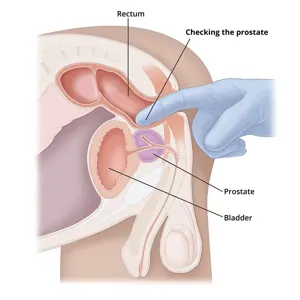
PSA is a prostate protein measured in blood; a raised value does not equal cancer.
Read the guideSemen testing assesses volume, sperm concentration, movement and shape.
Read the guide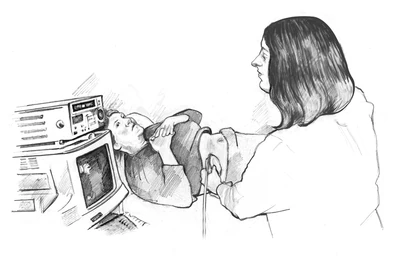
An ultrasound examination without X-rays, sometimes including urine remaining after voiding.
Read the guideInspection of the urethra and bladder using a thin optical instrument.
Read the guide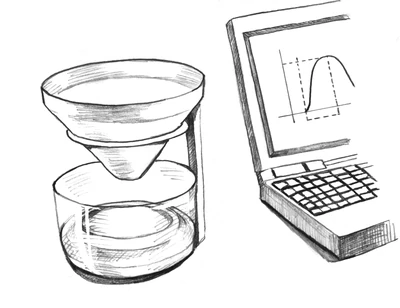
Uroflowmetry records the urine stream; urodynamics assesses bladder pressure and function for selected questions.
Read the guidePrevention depends on stone composition and urinary or metabolic risk factors.
Read the guide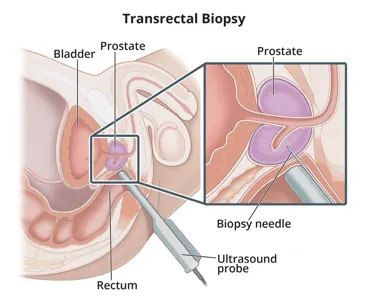
MRI assesses suspicious areas; indicated biopsies collect tissue for laboratory analysis.
Read the guideA few notes help the conversation.
Read the guideA lump, enlargement or change in texture deserves examination. An abnormality does not automatically mean cancer.
Read the guideThis general information does not replace a consultation. Tests and treatments are selected for each individual; they are not a routine checklist.